
Crea Solution 2025 – P.IVA 02483631202
All rights reserved

MARY FASHION
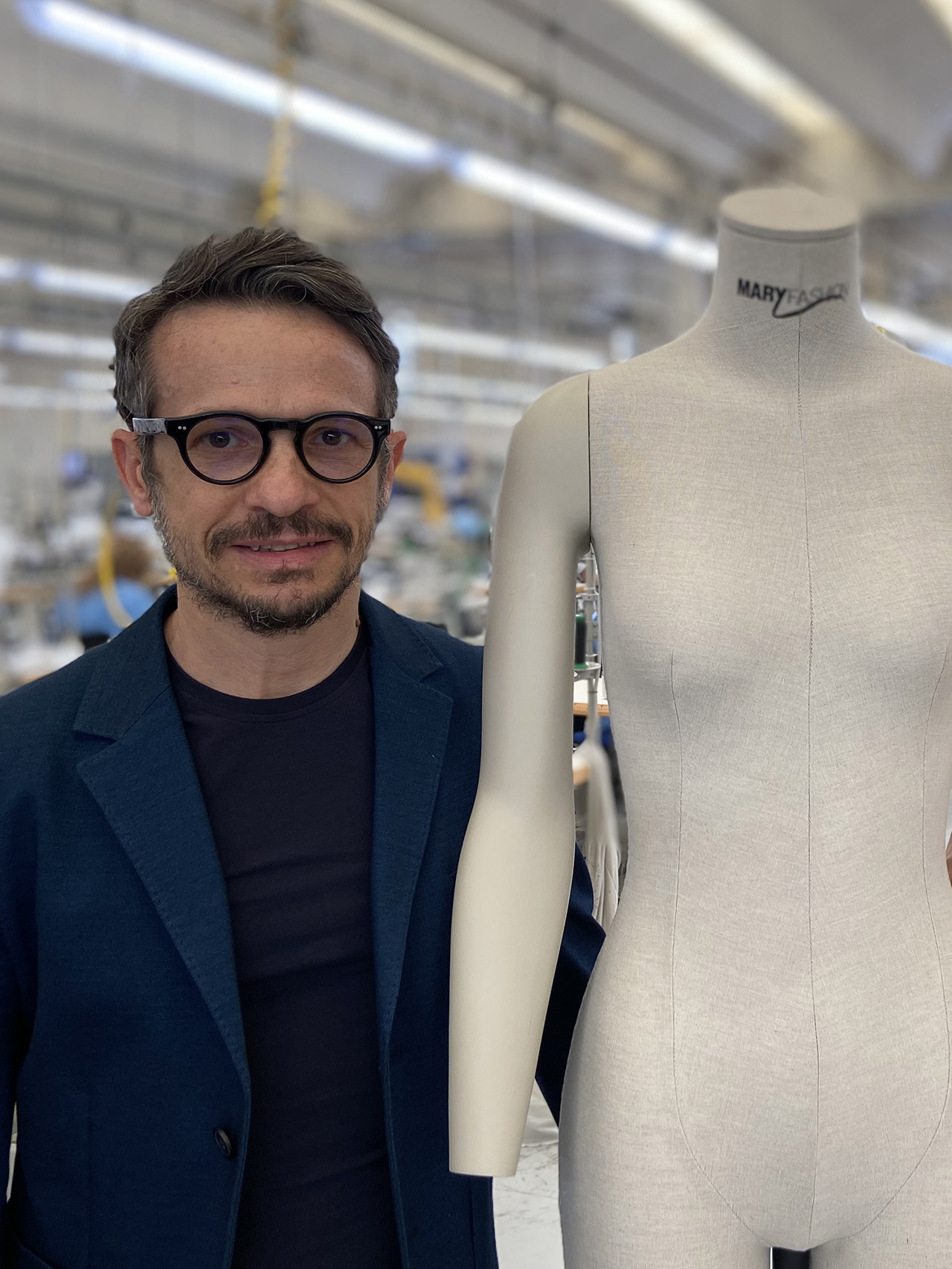
Mary Fashion was founded over forty years ago thanks to the entrepreneurial spirit of Maria Battaglia, who launched her first business at just 16 years old, immediately showing an extraordinary drive for enterprise. Within a few years, she built a team of 15 employees and established partnerships with some of the most important international fashion brands, focusing primarily on women’s clothing production. Her ability to read the market and anticipate its needs allowed the company to grow steadily, eventually expanding its production in recent years to include menswear as well. Today, Mary Fashion employs around 120 people.
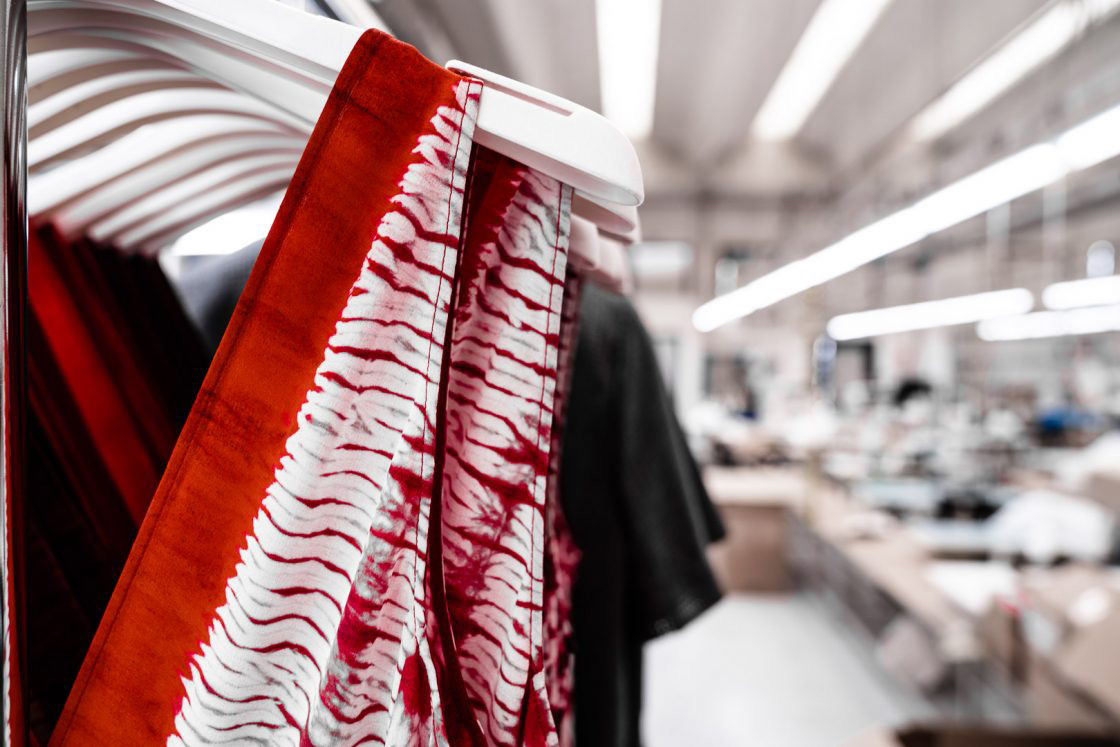
One of the most significant changes Mary Fashion has faced is the growing demand for printed fabrics, which are far more complex to work with than traditional solid-colored textiles. This shift introduced new production challenges: ensuring perfect alignment of stripes, checks, and logos across garment pieces is an extremely delicate process that requires very high precision. For years, the company relied on manual cutting, considered the only method capable of ensuring the quality required by the prestigious brands it collaborates with. However, while accurate, manual cutting is a slow process, prone to human error, and often falls short of the millimeter-level precision needed especially as production volumes increase.
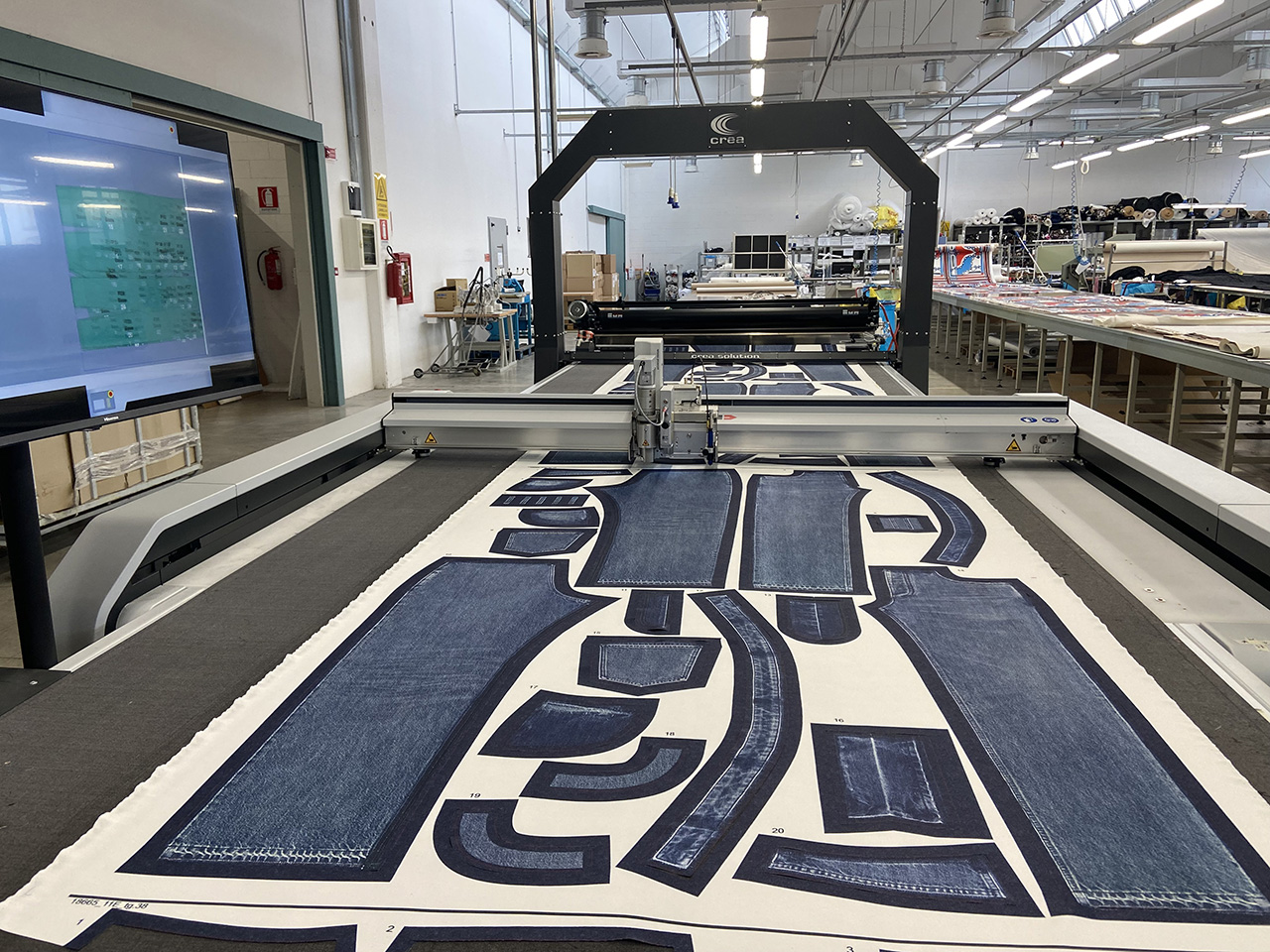
Until 2022, Mary Fashion maintained this approach, relying on tried-and-true methods that had become outdated from a technological standpoint. The adoption of the IRIS system by Crea Solution marked a true turning point for the company. IRIS is an innovative artificial vision technology applied to single-ply fabric cutting, which automates a process that was previously complex and manual. By recognizing and interpreting repeating patterns on fabrics, the system allows for precise placement of garment patterns, optimizing material usage and reducing waste.
A key feature of IRIS is its ability to detect fabric defects and automatically adjust pattern placement to avoid them without the need for manual intervention. This not only enables faster cutting but also ensures higher quality in the finished product, as the cut pieces are immediately ready for assembly, with no need for corrections or rework.
The transformation brought by this technology has delivered tangible results: Mary Fashion’s productivity doubled in a short time, while fabric waste was drastically reduced. Processing times were streamlined, making the entire workflow more efficient and competitive. This improvement has enabled the company to respond to market demands more quickly and flexibly, all while maintaining high-quality standards.
Today, Mary Fashion produces up to 150,000 garments per year, a milestone that demonstrates how the company has successfully blended its long-standing tradition with technological innovation. This journey proves that even in traditional industries like fashion, embracing change and adopting new technologies can make a real difference ensuring not only survival in a competitive market, but also lasting and growing success.