
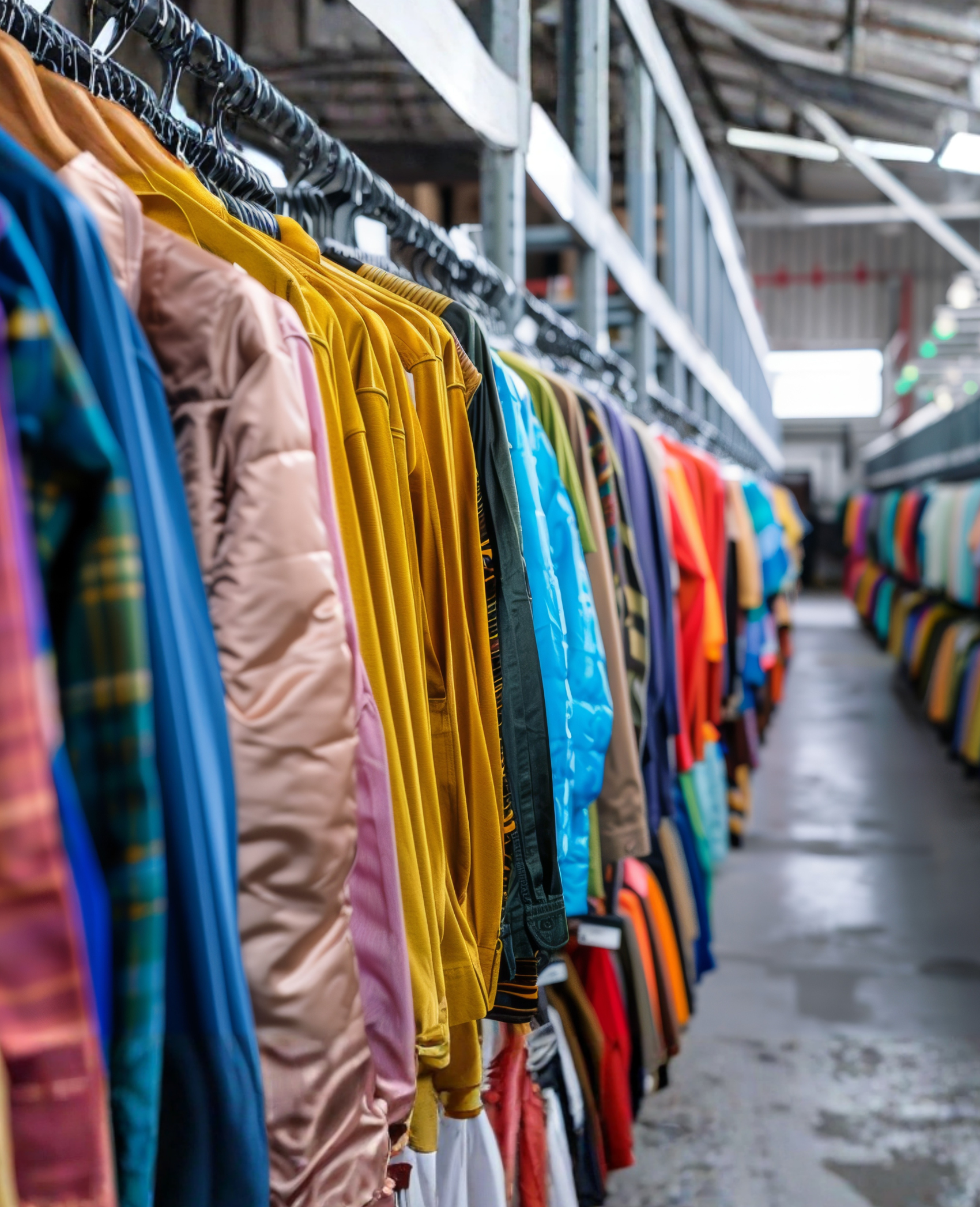
Is Fast Fashion Really Reaching Its Sunset?
English version
Is fast fashion in crisis? The most accurate answer is: not as a collapsing business model, but as a model under growing structural pressure. The major players are not disappearing. Inditex, owner of Zara, closed fiscal year 2025 with record revenues of €39.9 billion and net profit of €6.22 billion, up 6%. That alone disproves the idea that fast fashion is nearing extinction. At the same time, the competitive, regulatory and cultural environment is shifting quickly. Fast fashion is not dead. It is becoming harder to manage.
A model that remains powerful, but less evenly successful
For years, fast fashion built its advantage on four pillars: low prices, rapid assortment renewal, broad product availability and constant novelty. This formula still works, especially among price-sensitive consumers. Yet the market no longer rewards all players equally. The most efficient groups, supported by scale, advanced logistics and strong brand recognition, continue to perform well. Less distinctive brands are increasingly exposed to intense competition, thinner margins and more volatile demand. The crisis, therefore, does not necessarily affect fast fashion as a whole. It affects operators that can no longer stand out.
The rise of ultra-fast fashion
A major reason behind the sector’s transformation is the emergence of ultra-fast fashion, led by digital-first companies such as Shein and by marketplaces able to push speed and prices even further down. This has reshaped consumer expectations and made immediacy part of the standard offer. Traditional fast fashion brands now face pressure from two directions: they must defend themselves against aggressively low prices while preserving perceived quality, brand equity and store traffic. That is a difficult balance to maintain.
The structural weakness: overproduction and unsold stock
The most fragile point of fast fashion remains overproduction. The model works when demand absorbs high volumes quickly. When forecasts miss the mark, the system generates markdowns, excess inventory and value destruction. In Europe, political pressure on this issue is now explicit. From 19 July 2026, large companies in the EU will no longer be allowed to destroy unsold textiles and footwear. The European Union has also adopted extended producer responsibility rules requiring textile producers to contribute to the cost of collection, sorting and recycling. Put simply: producing too much is becoming more expensive.
Consumers are more critical, but not always willing to spend more
Another pressure point is cultural. Public debate around waste, garment durability, labor conditions and environmental impact has become much more visible. At the same time, textile consumption in Europe remains high: in 2022, the average EU citizen bought around 19 kg of textiles, up from 17 kg in 2019. This reveals a contradiction. Consumption has not stopped, but its social legitimacy is increasingly questioned. Consumers criticize excess, yet still purchase when prices are low and the product feels attractive. This tension sits at the heart of the market.
So, is fast fashion actually in crisis?
It depends on the definition of crisis.
- No, if we look at global demand and the financial results of the market leaders.
- Yes, if we examine the model’s structural pressures: tighter regulation, more visible environmental costs, ultra-fast competition, reputational risk and lower tolerance for unsold stock.
Fast fashion is not disappearing. It is entering a phase of selection. The companies best positioned for the next few years will be those able to combine speed, cost discipline, perceived quality and tighter production control. The weaker operators will be those still relying mainly on price, volume and compulsive assortment turnover.
Conclusion
Calling this the “sunset of fast fashion” is catchy, but inaccurate. A better description is the end of unconstrained fast fashion. The model will remain central to the fashion system, but it will operate under tougher regulatory, competitive and cultural conditions. The real question is not whether fast fashion will end. The real question is which version of fast fashion will remain economically sustainable in the years ahead.
FAQ
Is fast fashion going to disappear?
No. The largest players remain very strong. However, the model will become more regulated and more selective.
Why do people say fast fashion is in crisis?
Because it faces several pressures at once: ultra-fast competition, overproduction, stricter EU regulation, unsold inventory management and rising consumer concern about environmental impact.
What is the biggest risk for fast fashion in the next few years?
Not a lack of demand, but a loss of efficiency: producing too much, discounting too much and absorbing higher costs linked to waste, regulation and reputation.